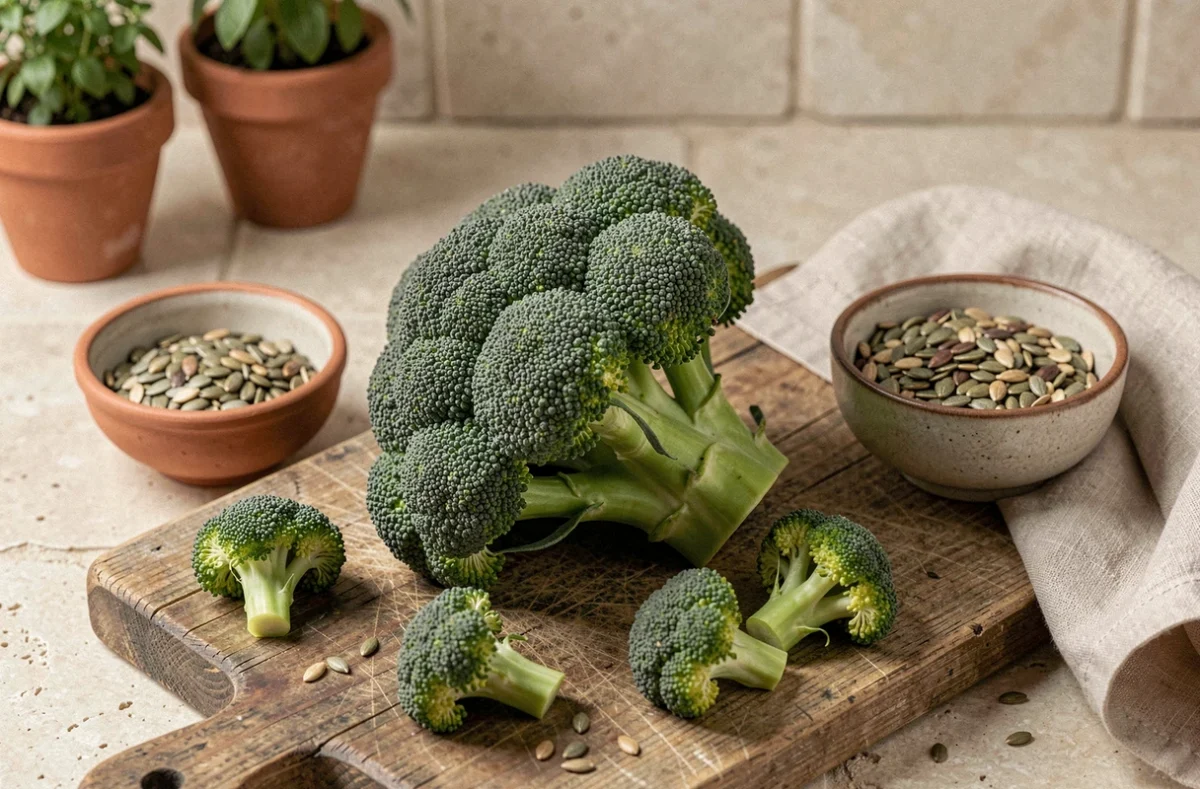
Broccoli is among the most mentioned vegetables in nutritional guides, but its protein content raises sometimes disproportionate expectations. What amount of protein does this cruciferous vegetable actually provide, and how does it compare to other plant sources? Comparing nutritional data helps to better understand its role in a balanced diet.
Broccoli Protein Compared to Other Vegetables and Legumes
Before assigning broccoli a major protein role, a comparative table puts the proportions into perspective. The values below concern common portions of cooked vegetables and legumes.
| Food (cooked portion) | Approximate Protein per 100 g |
|---|---|
| Lentils | About 9 g |
| Chickpeas | About 8 g |
| Firm Tofu | About 8 g |
| Red Beans | About 7 g |
| Broccoli | About 2.5 to 3 g |
| Spinach | About 2.5 g |
The gap is clear: broccoli provides three to four times less protein than legumes. Its content remains in the high average of green vegetables, but it cannot replace a main protein source in a vegetarian or vegan meal.
To build a sufficient plant-based protein intake, pairing with lentils, chickpeas, tofu, or beans remains the most reliable strategy. Broccoli contributes modestly as a complement. As you can read on Conseils Cuisine, combining broccoli with these concentrated sources enhances the nutritional value of the meal.

Sulforaphane and Glucosinolates: The Compounds that Distinguish Broccoli
While the protein content of broccoli alone does not justify its reputation, its bioactive compounds place it in a unique category among cruciferous vegetables.
Broccoli contains glucosinolates, sulfur-containing molecules common to the Brassicaceae family (cabbages, turnips, radishes). When the vegetable is cut or chewed, an enzyme called myrosinase transforms glucoraphanin into sulforaphane, an isothiocyanate studied for its antioxidant activity.
A Formation Sensitive to Cooking
Myrosinase is partially deactivated by heat. Prolonged cooking at high temperatures therefore reduces the amount of sulforaphane available. An observation published in The British Journal of Nutrition in 2013 showed that adding mustard seed powder to cooked broccoli increased the formation of sulforaphane metabolites. Mustard provides its own myrosinase, which compensates for that destroyed by cooking.
This practical tip is of interest to those who prefer well-cooked broccoli: a pinch of mustard powder after cooking can restore some of the bioactive potential.
Precaution on Health Claims
The available clinical studies on sulforaphane most often measure biomarkers (inflammation markers, urinary excretion of metabolites), not demonstrated disease prevention. The link between cruciferous vegetable consumption and reduced risks remains observational in most cases. Presenting broccoli as an “anti-cancer” food would extrapolate beyond current evidence.
Vitamins and Fiber in Broccoli: The Complete Nutritional Profile
Beyond protein and sulforaphane, broccoli has a high nutritional density for a low caloric intake. Here are the most notable nutrients:
- Vitamin C: raw broccoli contains a significant amount, which decreases significantly with cooking. Raw broccoli provides about three times more vitamin C than its cooked version.
- Vitamin B9 (folates): a key nutrient for cell renewal, particularly monitored in pregnant women and growing children.
- Vitamin K: involved in blood clotting. People on anticoagulants (warfarin) should maintain a stable intake of vitamin K-rich vegetables, including broccoli, and inform their doctor.
- Fiber: they promote digestion and contribute to cholesterol regulation. Broccoli provides both soluble and insoluble fibers.
This profile makes broccoli an interesting vegetable for its micronutrient density, even if its protein contribution remains secondary.
Preparation Method of Broccoli and Nutrient Preservation
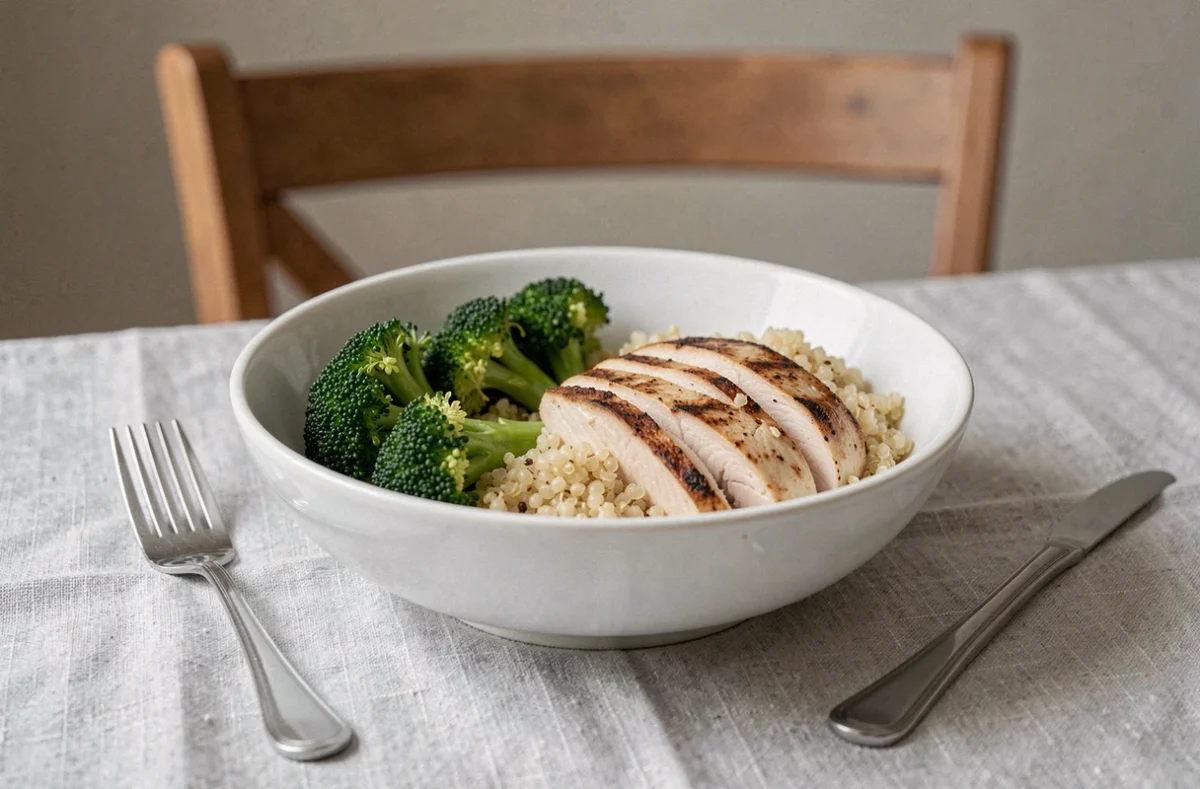
The way broccoli is prepared significantly alters its nutritional contribution. Two parameters matter: temperature and exposure time to water.
Short steaming preserves water-soluble vitamins (C, B9) better than boiling in a large volume of water, which leads to loss through dissolution. Frozen broccoli retains a good portion of its vitamins, as freezing occurs quickly after harvest.
Raw or Cooked: A Choice Based on the Goal
Consumed raw, broccoli offers maximum vitamin C and intact myrosinase activity, favorable for sulforaphane formation. Raw broccoli retains the most heat-sensitive nutrients.
When consumed steamed, it remains nutritionally dense while becoming more digestible for those sensitive to raw fibers. Adding mustard seed powder after cooking, as mentioned earlier, is an option for those looking to compensate for the loss of myrosinase.
The stems and leaves of broccoli are edible and also contain nutrients. Discarding them means losing a significant part of the vegetable’s nutritional potential.
Broccoli deserves its frequent place in the diet, but for its vitamins, fibers, and glucosinolates much more than for its proteins. Pairing it with legumes or tofu remains the most coherent combination for a complete plant-based meal in terms of protein.