When renovating a room or insulating an attic, the material determines the indoor air quality, the durability of the building, and thermal comfort for several decades. Understanding the advantages and limitations of ecological materials allows for choices that are truly suited to one’s home.
Biosourced materials in humid areas: the trap that few projects anticipate
Have you ever noticed a musty smell in a recently insulated house? In humid areas, this problem affects a significant proportion of poorly prepared biosourced projects. According to data shared by industry professionals, mold can contaminate up to 30% of unprepared biosourced projects in these environments.
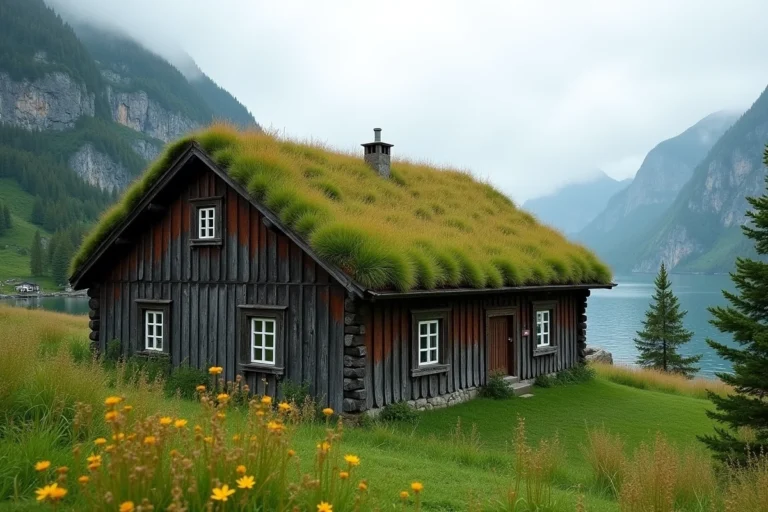
Wood, hemp, or straw naturally absorb ambient moisture. In a dry climate, this is an advantage: these materials regulate indoor humidity. In a rainy region or near a water table, this absorption capacity becomes a risk if no barrier is put in place beforehand.
Before installing hemp insulation in a house in Brittany or the Landes, three points must be checked:
- The waterproofing of the base and foundations, to prevent rising damp from the ground
- The mechanical or natural ventilation of the building, which evacuates the water vapor produced by the occupants
- The choice of an appropriate vapor barrier, permeable on the inside but blocking on the outside, to allow the wall to breathe without trapping water
An ecological material installed without this preparation degrades faster than a conventional synthetic insulation. The additional cost of proper implementation represents a fraction of the total budget, but it determines the longevity of the entire insulation.

Ecological insulation: hemp, straw, and mycelium versus mineral wools
Biosourced insulators are not all equal. On natureetmateriaux.fr, you can find an overview of these sectors, from hemp to wood wool. But the choice depends on what you are looking for: thermal performance, acoustic insulation, or both.
Hemp and straw have seen increasing adoption since 2024, driven by the rise in biosourced certifications reported by ADEME. These two materials offer good thermal resistance and naturally regulate indoor humidity.
Mycelium, grown from mushrooms, outperforms mineral wools in acoustic insulation. Real-world tests conducted in Northern Europe and documented by CSTB in its technical bulletin “Biosourced Innovations 2025-2026” confirm this superiority. Mycelium grows on agricultural waste, is molded into the desired shape, and then dried to become rigid.
How to compare these insulators
Rather than a list of abstract characteristics, think about your situation. An old stone house with thick walls does not have the same needs as a new wooden frame construction.
| Insulator | Main Advantage | Limit to Know |
|---|---|---|
| Hemp | Natural hygrometric regulation | Sensitive to moisture without an appropriate vapor barrier |
| Straw | Low cost, local availability | Greater thickness required |
| Mycelium | High acoustic performance | Still an emerging sector, few trained installers |
| Wood wool | Good thermal phase shift (summer comfort) | Heavier, requires a solid load-bearing structure |
Thermal phase shift is the time it takes for outside heat to pass through the wall. Wood wool excels in this area, making it particularly suitable for south-facing homes.
Natural paints and coatings: indoor air as a selection criterion
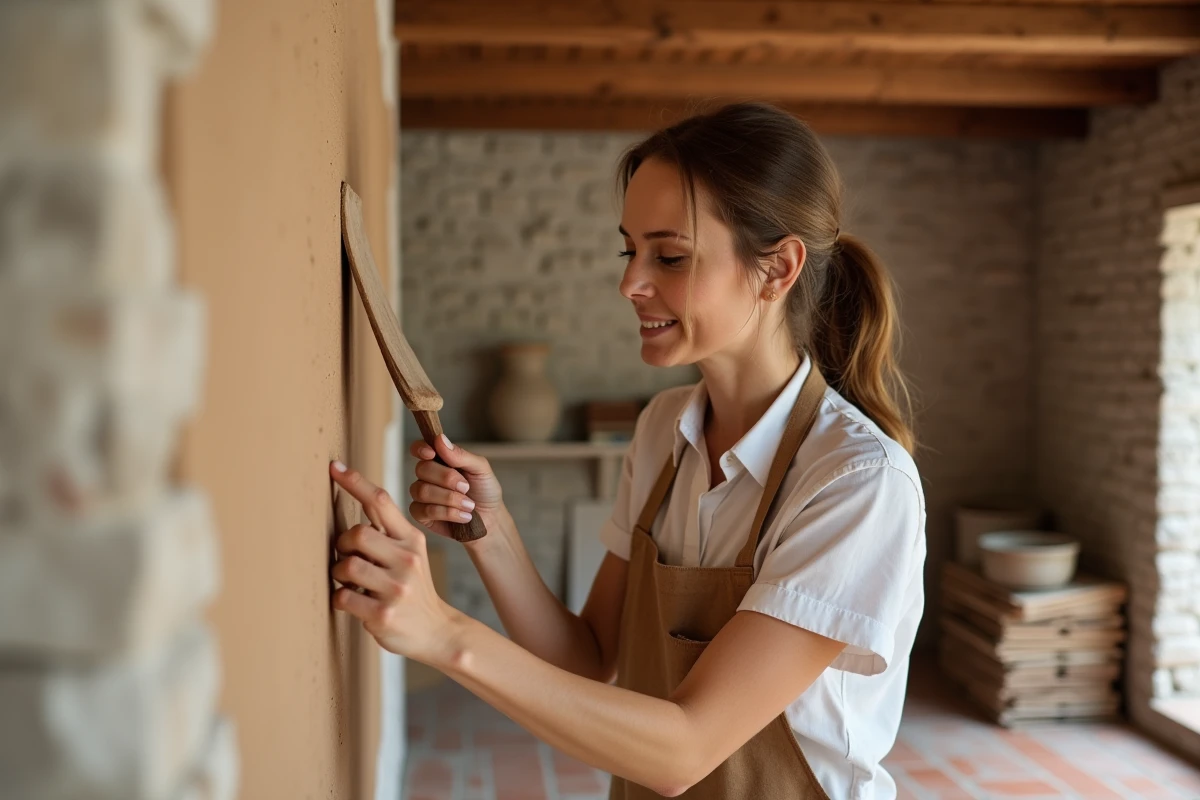
Insulation is only part of the problem. Paints, coatings, and floor coverings emit volatile organic compounds (VOCs) for months after application. These substances irritate the respiratory tract and degrade air quality in the home.
Natural clay-based paints significantly reduce respiratory issues after renovation. The Indoor Air Quality Observatory (OQAI) has collected feedback from certified artisans confirming this finding in its study “Health and Healthy Habitats” from March 2026.

How to recognize a truly ecological coating
The word “natural” on a paint can guarantees nothing. Two reliable indicators to check:
- The A+ label on indoor air emissions, mandatory in France for decoration and construction products
- The composition listed on the technical data sheet: a clay or lime paint contains fewer than five ingredients, all identifiable
- The absence of preservatives like isothiazolinone, common in low-end “eco” paints and recognized allergens
Natural linoleum (made from linseed oil, resin, and wood flour) remains one of the most durable and least emissive floor coverings. It should not be confused with flexible vinyl sold under the same name in some stores.
Energy renovation and ecological materials: what RE2020 changes
Since the implementation of RE2020, the carbon footprint of materials is included in the regulatory calculation for new constructions. Hemp concrete or wooden frames store carbon instead of emitting it, which benefits biosourced sectors in this new framework.
For renovations, the regulations do not yet impose the same thresholds. But financial aids (MaPrimeRénov’ and energy savings certificates) are increasingly steering towards low environmental impact solutions. A certified biosourced insulator qualifies for the same levels of subsidy as a conventional insulator, provided its thermal resistance meets the required threshold.
Choosing an ecological material for your home does not mean sacrificing performance for an ideal. It is a technical decision that requires knowledge of your environment (climate, humidity, building structure) and verifying the implementation. A well-installed biosourced material lasts as long as a conventional material, with healthier indoor air and a reduced carbon footprint from the moment of installation.