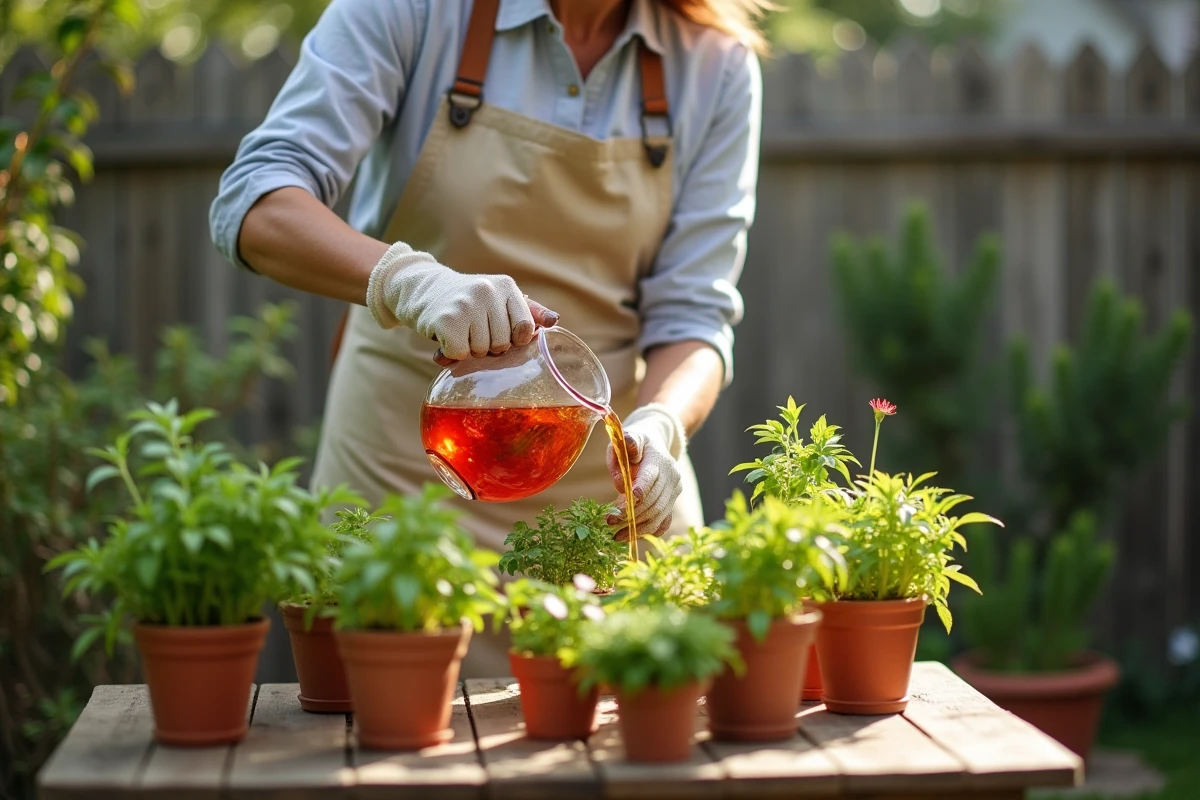
Paprika is not just a kitchen spice. In recent years, amateur gardeners have been using it diluted in watering water to protect their plants from pests and stimulate soil vitality. The practice remains marginal, but it is gaining ground, particularly in urban gardens where the abandonment of chemical pesticides encourages the exploration of alternatives.
Paprika and European regulations: what changes for foliar treatments
Before sprinkling anything on your plants, a regulatory point deserves attention. Regulation EU 2025/1042, adopted in January 2025, prohibits non-organic paprika in foliar treatments starting in 2026. The reason: industrial spices may contain residues of solvents used during drying or pigment extraction.
Specifically, if you prepare a paprika-based solution to spray on your plant leaves, opt for a certified organic powder. Conventional versions sold in supermarkets are not designed for horticultural use, and their residues pose a contamination problem for the soil in the medium term.
To delve deeper into the advice for watering plants with paprika, it is essential to understand this framework, as it conditions the choice of the starting product.
Paprika against aphids and soil flies: real effectiveness or placebo effect
INRAE has documented a growing adoption of paprika as a natural repellent against aphids among urban gardeners since 2024. Capsaicin, present in small quantities in paprika (much less than in hot chili), acts as an irritant on certain insects without harming beneficial auxiliaries like ladybugs.
Aphids: a repellent effect, not insecticidal
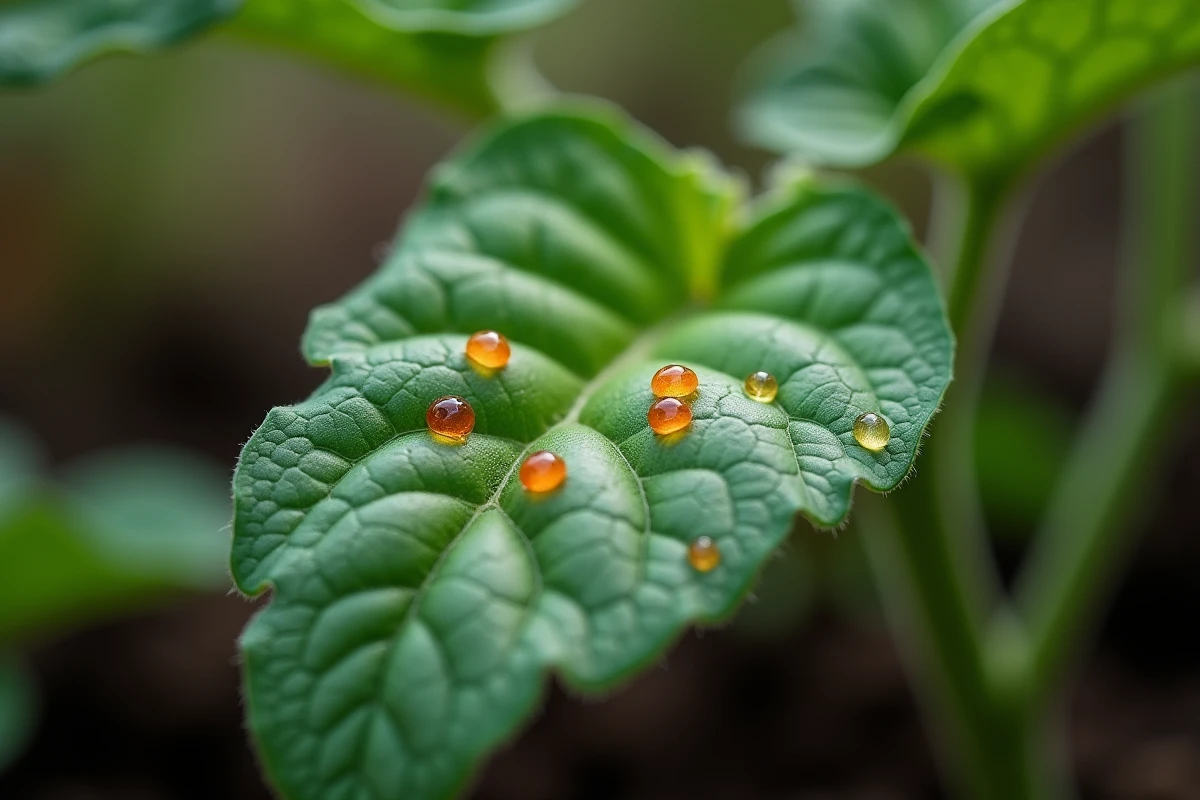
Diluted paprika in watering water does not kill aphids. It creates an unfavorable environment that discourages them from settling. The nuance is significant: on an already established infestation, the effect remains limited. Paprika works better as a preventive measure than as a curative treatment.
Soil flies: mixed field reports
Gardeners on the Rustica forum report a decrease in soil fly attacks after watering with diluted paprika. However, these same reports indicate a risk of leaf burn in full summer sun, particularly on indoor plants moved to the terrace. The available data do not allow for a conclusion on a reliable protocol: dosage, frequency, and exposure conditions vary too much from one testimony to another.
Paprika or hot chili: which choice for which plants
The temptation to replace paprika with hot chili (cayenne, Espelette) is common. After all, more capsaicin should mean more effectiveness against pests. Comparative tests published in the Journal of Sustainable Horticulture in April 2025 suggest a more nuanced reality.
- Paprika outperforms hot chili against slugs without harming the roots of sensitive plants like orchids, according to these same tests under controlled conditions.
- Hot chili causes root burns on young plants and species with shallow root systems (ferns, calatheas).
- On robust plants in open ground (tomatoes, zucchinis), the difference in effectiveness between paprika and chili remains marginal.
The choice thus depends on the type of plants. For indoor plants and fragile species, paprika offers a better efficacy-tolerance ratio. For an open-ground vegetable garden, both options are equivalent.
Preparing and dosing a paprika watering solution
Preparing paprika water is simple, but the dosage conditions the result. If too concentrated, the solution colors the substrate and may alter the soil pH. If too diluted, it has no measurable effect.
Basic method
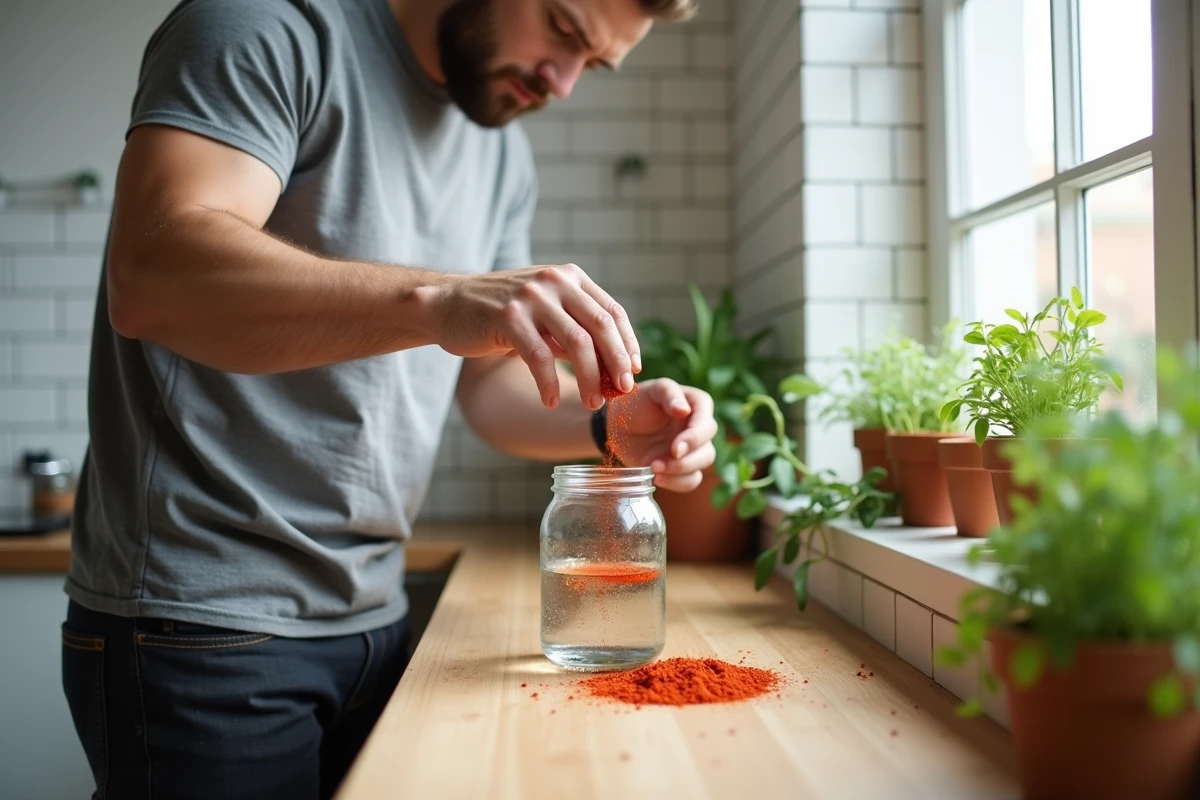
- Mix a level teaspoon of organic paprika powder in a liter of warm water, then let it steep for about twelve hours.
- Filter the solution through a fine cloth or coffee filter to remove solid particles that could clog the substrate.
- Water at the base of the plant, never on leaves exposed to direct sunlight, to avoid leaf burns.
- Space paprika waterings at least two weeks apart. Too frequent use gradually acidifies the soil.
When not to use paprika
Calcareous plants (lavender, boxwood, clematis) poorly tolerate the regular addition of a slightly acidic solution. Similarly, seedlings and cuttings in the rooting phase should not receive paprika: their still fragile root system cannot handle irritating compounds, even in low concentration.
Limits and gray areas around paprika in the garden
The enthusiasm for paprika in gardening largely relies on community feedback and isolated tests. No standardized protocol exists to validate dosages or optimal frequency. Field reports diverge on this point: some gardeners observe a visible effect within weeks, while others see no difference after several months.
The composition of paprika also varies depending on its origin, drying method, and storage. A powder stored for a year in a kitchen cupboard has lost most of its active compounds. The freshness of the product is as important as the dosage.
Another often-overlooked limitation: paprika does not replace fertilizer or amendment. It does not provide nitrogen, phosphorus, or potassium in significant quantities. Its role is limited to protection against certain pests, not to plant nutrition. For growth and flowering, other natural inputs (coffee grounds, cooking water, compost) remain essential.
Paprika in the garden remains an interesting avenue for gardeners seeking alternatives to chemical products, provided it is used as a tool among others, with fresh organic paprika and a measured dosage. Upcoming seasons may provide more solid data on its actual effectiveness.