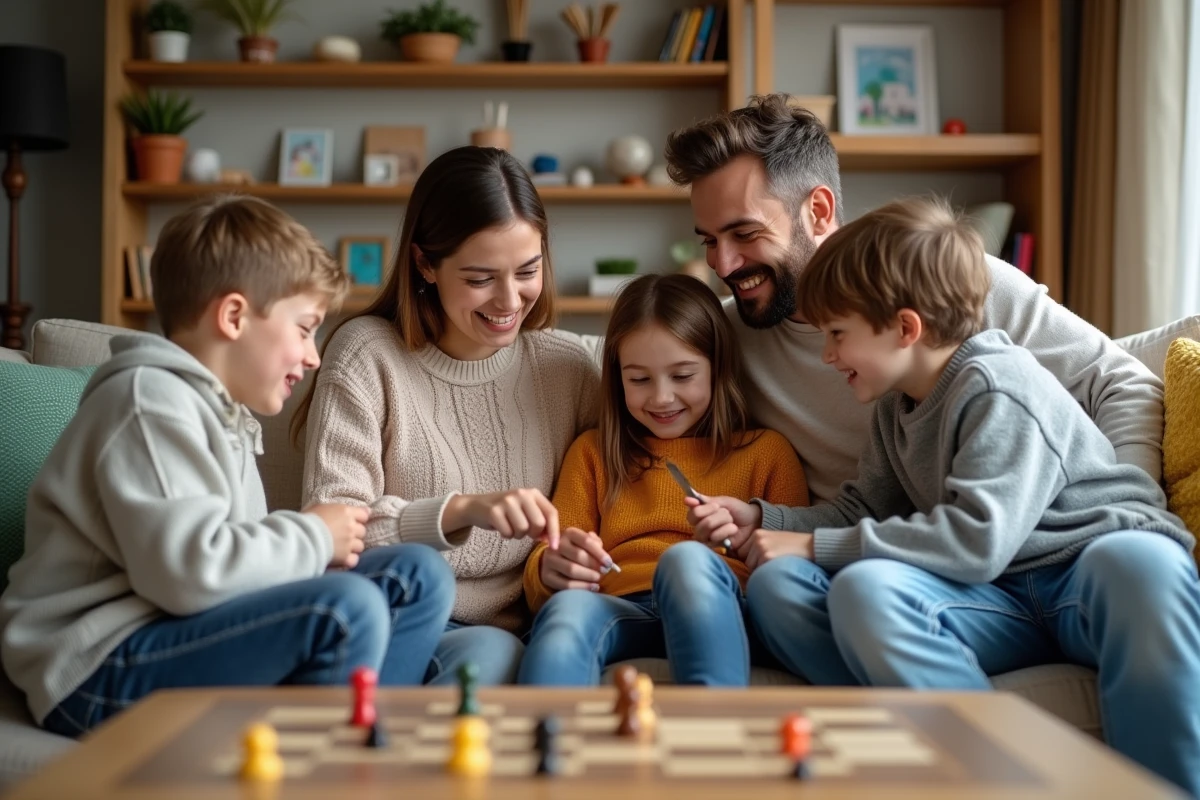
An overloaded schedule is not enough to defuse tensions at home. Conflicts arise even where organization seems flawless. Meals, which are supposed to bring everyone together, sometimes become the stage for friction rather than calm dialogue.
Maintaining family cohesion is not just a matter of goodwill. A few simple adjustments, often unknown or overlooked, can lighten daily life and strengthen bonds. Targeted approaches, validated by experience and research, can sustainably transform home life.
The keys to a fulfilling family life: what daily experience reveals
Building a family life that is harmonious is not a matter of chance; it is a constant effort. Interactions with parents and children highlight the importance of a well-thought-out yet flexible family organization: planning tasks, establishing routines, encouraging open communication. Balance relies on the distribution of household chores, adapted to each person’s age, so that everyone, from the youngest to the grandparent, feels legitimate and involved.
The mental load, which still often weighs heavily on women, remains difficult to name in many households. Yet, recognition in daily life makes all the difference for parental well-being. Asking for help, delegating, openly discussing needs: positive parenting is not limited to abstract principles; it is expressed in daily actions, valuing efforts, and being tolerant of mistakes as well as initiatives.
A positive parenting approach is based on respectful communication and gentle discipline: listening to the child, welcoming their emotions, setting boundaries without rigidity. Autonomy is learned early, through participation in domestic tasks and appropriate responsibilities. Routines provide reassurance and structure, but do not confine: they free up time to reconnect, play, laugh, and share what matters.
To delve deeper into these tips for a thriving family and find advice tailored to each reality, visiting the Ma Vie de Famille website offers a vibrant resource, enriched by the diverse experiences of today’s families.
How to strengthen family ties in the face of daily challenges?
<pStrengthening family bonds requires finesse, sincere parent-child communication, and a climate of kindness and shared recognition. Communication flows, sometimes with bumps, but it remains the glue of togetherness. Those who navigate the storms of daily life—fatigue, disagreements, mismatched rhythms—testify: trust is born from listening, respecting feelings, and accepting differences.
Practices to build trust
Here are some habits that, according to many households, enhance the family atmosphere:
- Spending simple, free moments together: meals, games, walks, bedtime rituals. These unpretentious moments bond the family effortlessly.
- Highlighting every progress, no matter how small. The recognition of efforts nurtures autonomy and self-confidence, for both the young and the old.
- Not fearing conflicts. The home is not an aseptic space; learning to name disagreements and discuss them opens the door to stronger bonds.
Seeking a family coach or meeting a parenting professional can bring a fresh perspective: they provide concrete tools to break through deadlocks, clear misunderstandings, and reinvent daily life. The methods of positive discipline have proven effective: establishing a coherent framework, setting limits, while maintaining dialogue.
Examples like that of Sophie Serrano, discussing the complexities of being a parent, or César’s reflections on anger, remind us that each family invents its own solutions. Drawing inspiration from these stories opens the way to greater serenity at home.

Concrete ideas to cultivate harmony and well-being together
To make family life smoother, multiply initiatives that support family organization and parental well-being. Digital tools are increasingly appealing to parents: shared calendars, organizational apps, collaborative lists. These resources lighten the mental load, facilitate the planning of household chores, and allow for better tracking of children’s activities.
Establishing a personalized routine for each household member creates a more peaceful environment. Displaying a family schedule, preparing the weekly menu: these visual cues defuse tensions related to the unexpected and give everyone their rightful place. Effective organization always comes with transparent parent-child communication, where needs and constraints are expressed openly.
Involving children in domestic life pays off: assigning a younger child to set the table or tidy up their belongings, empowering older ones according to their abilities. This involvement encourages autonomy and responsibility. It’s better to value efforts than to point out failures, fostering genuine recognition.
Varying shared family time—creative activities, informal discussions, relaxation moments—contributes to the balance of the household and the sense of belonging. Podcasts on parenting and testimonials from parents provide diverse perspectives, opening new horizons on positive parenting and the joy of living together daily.
As each person finds their place, harmony settles in like a discreet thread, ready to be rewoven each day, never freezing or getting lost.