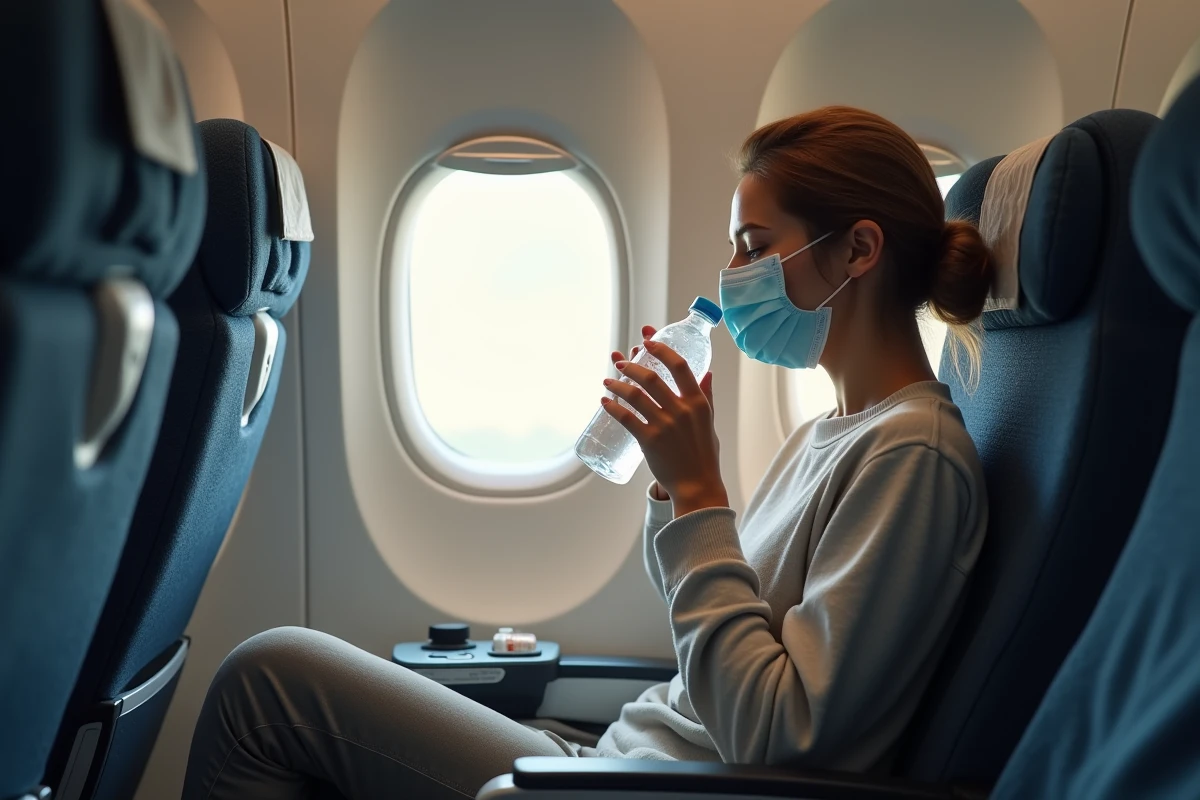
A medical certificate in hand is not always enough to guarantee boarding when living with dengue. Some airlines do not compromise: proof of non-contagiousness, stable general condition, no excessive fever. The rules vary from country to country and from carrier to carrier. In reality, the disease does not stop at the airplane door: at altitude, fever can rise, dehydration can accelerate, and the slightest complication quickly takes on a new dimension. Anticipation then becomes the best ally of the traveler.
Traveling with dengue: what to know before taking the plane
Taking the plane with dengue means accepting a degree of uncertainty. This virus transmitted by mosquitoes is prevalent in many tropical and subtropical regions, including Martinique, Guadeloupe, South Asia, Latin America, and Africa, and sometimes sneaks into the traveler’s suitcase. When fever, body aches, and fatigue take over, every step of the journey becomes more complicated. Airlines are aware of this: they often require a medical certificate stating that the passenger can travel without risk to themselves or to others. It’s best to prepare for this, especially if there are medical histories to consider.
Before making any reservations, a visit to your doctor is essential. They will assess the situation: temperature, hydration status, tolerance to fatigue, ongoing treatments. If pregnancy or the presence of children is involved, caution is doubled. One does not take dengue lightly when it comes to crossing the planet by plane.
Preparation does not stop at the bare essentials in the suitcase. Hydration must become a reflex, prescribed medications should remain within reach, and informing the crew about one’s health status is never superfluous. On some specialized forums, reading the advice from 1 Voyageur provides useful insights on the practical management of the disease during a long-haul flight, as well as on assistance measures in case of deterioration on board. Nothing is left to chance: departing from or returning from an endemic area requires rigor at every step, for oneself and for others.
What actions to take during the journey to preserve health?
Once settled in the airplane, every detail takes on new importance to limit the impact of dengue on the body. The first imperative: prevent dehydration. The dry cabin air, combined with fever and aches, accelerates water loss. One should not wait to feel thirsty: drinking at regular intervals, even in small amounts, is essential.
For those traveling while sick, clothing choice is not a detail. Opt for loose, soft, covering garments: they promote blood circulation and prevent irritations, which are common with dengue. Walking in the aisle, frequently changing position, helps limit edema and venous issues. Children and seniors require heightened vigilance: here, every symptom must be reported to the cabin crew without delay.
The intake of medications follows a precise rhythm. Keep treatments in the cabin baggage, with the prescription at hand. Non-steroidal anti-inflammatory drugs should be avoided without a doctor’s approval, as dengue weakens blood vessels and increases the risk of hemorrhage. Even on the best-protected flights, the threat of mosquito bites does not completely disappear: during layovers, applying repellent may be necessary, in accordance with medical advice.
It is also important to monitor one’s diet on board. The liver, stressed by the illness, does not tolerate excesses well. Avoid heavy dishes, prefer easily digestible snacks that limit the risk of nausea or discomfort. Finally, always keep the contact details of a healthcare professional or medical facility at your destination close at hand, in case of needing to act quickly at the slightest warning sign. These simple yet effective actions ensure a more peaceful journey for everyone, even under the threat of dengue.
Medical preparations and useful resources in case of emergency at the destination
A visit to a travel medicine specialist is the first step not to be overlooked before departure. A personalized medical assessment allows for anticipating the complications that dengue can cause, especially in high-risk individuals: pregnant women, children, immunocompromised individuals. Visiting an international vaccination center provides the opportunity to verify the recommended vaccination coverage according to the destination: yellow fever, Japanese encephalitis, malaria…
To face the journey, a specific medical kit is essential. Here’s what it should contain:
- paracetamol (never anti-inflammatories),
- oral rehydration solutions,
- impregnated mosquito net,
- appropriate skin repellent,
- copies of the prescription and contact details of the treating physician.
On-site, identify in advance the healthcare facilities capable of providing quick care if the patient’s condition deteriorates. The World Health Organization updates the list of suitable centers in at-risk areas, as does the Pasteur Institute in France and overseas (Martinique, Guadeloupe). Inquiring about access to a diagnostic service for mosquito-borne diseases can make a difference in an emergency.
During an epidemic, each country disseminates instructions and alerts for travelers. Staying informed before and during the stay allows for adjusting behaviors: limiting outings at the riskiest times, monitoring the onset of fever or hemorrhages, knowing local emergency numbers. In the face of dengue, the best weapon is preparation and vigilance, so as not to let the virus dictate the rules of travel.