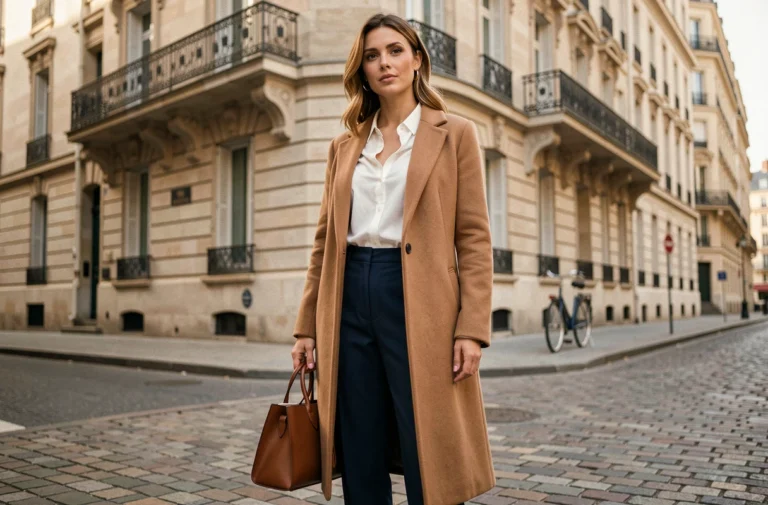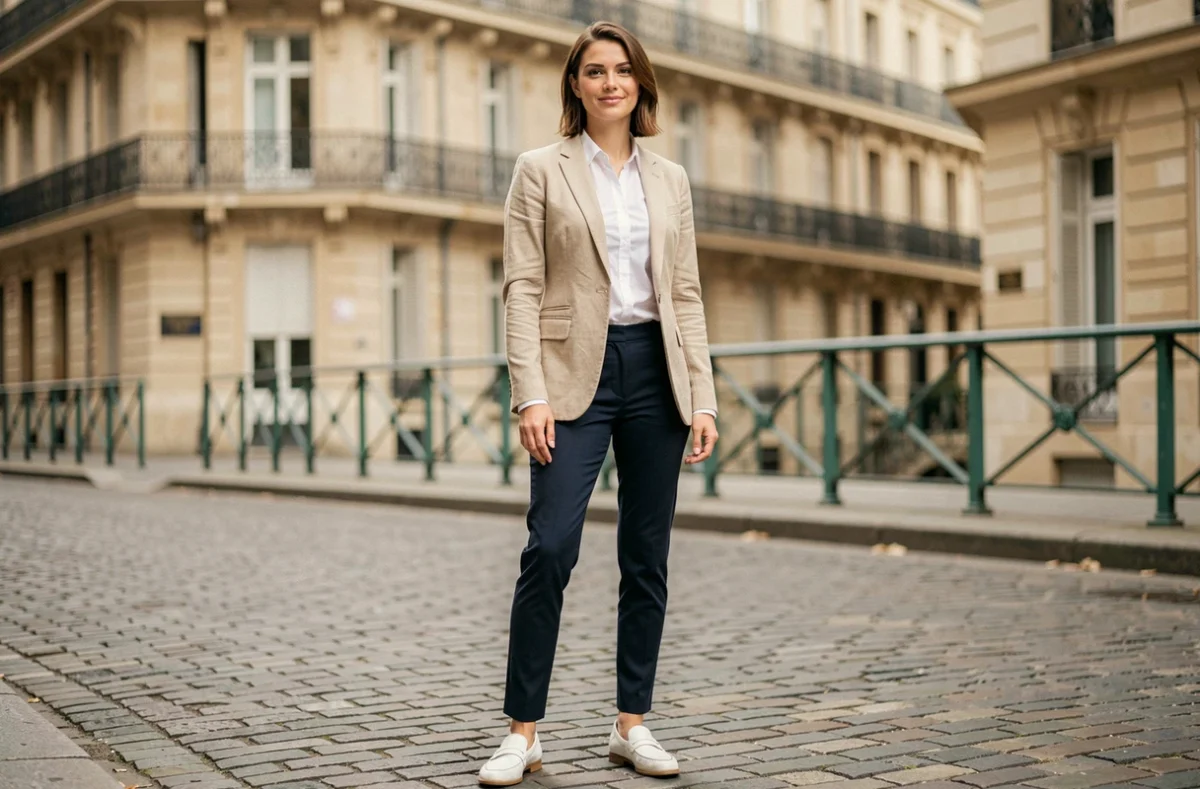
Defining your everyday style is about more than following the runway season after season. The question is a practical one: how many pieces do you really need, and which ones, to create a variety of outfits without buying more or sacrificing comfort? The answers depend on your budget, work requirements and how long your clothes actually last.
Cost per wear: the factor that changes how you view fashion trends
Fashion trends for 2026 spotlight pieces such as the long, flowing dress, structured wide-leg trousers and matching sets. Their purchase prices vary, but cost per wear reveals their true value. A piece worn twice is expensive, whatever its price tag.
| Trending piece | Estimated frequency of wear | Versatility (number of possible outfits) | Care |
|---|---|---|---|
| Structured wide-leg trousers | High (office, weekends, outings) | 5 to 8 combinations | Machine washable, light ironing |
| Long, flowing dress | Medium (warm weather, special occasions) | 2 to 4 combinations | Delicate wash, dry flat |
| Matching set | Medium to high | 3 to 6 combinations (pieces can be worn separately) | Varies by fabric |
| Barrel- or balloon-leg jeans | High (all year round) | 6 to 10 combinations | Machine washable, little ironing needed |
Wide-leg trousers and loose-fit jeans have one thing in common: they work with a sweater, T-shirt, shirt or jacket without losing their appeal. A piece’s versatility determines its value as a wardrobe investment.
Browse fashion on the Indiz website to find pieces that meet these versatility and durability criteria.
Seasonal trends versus real-life wear: where the gap lies
Fashion pages list seasonal pieces—poetcore in spring, velvet in winter, polka dots in autumn. These suggestions work in editorial features. Everyday life brings different constraints.
- Work dress codes often rule out very wide cuts or bulky accessories, limiting how often some trend-led pieces can realistically be worn to two days a week at most.
- Thermal comfort takes priority over style between November and March: a lightweight racing jacket is no substitute for a structured coat when temperatures drop.
- Day-to-day care rules out delicate fabrics for people without regular access to dry cleaning or time to iron. Silk and some synthetic blends lose their shape after just a few machine washes.
The gap between editorial inspiration and a functional wardrobe explains why so many clothes end up being worn fewer than five times. Adapting a trend to your lifestyle is better than adopting it as is.
Secondhand and vintage pieces: a way to create a distinctive style
Search results mention vintage fashion without explaining what it can actually bring to your personal style. Secondhand shopping is about more than saving on the purchase price.
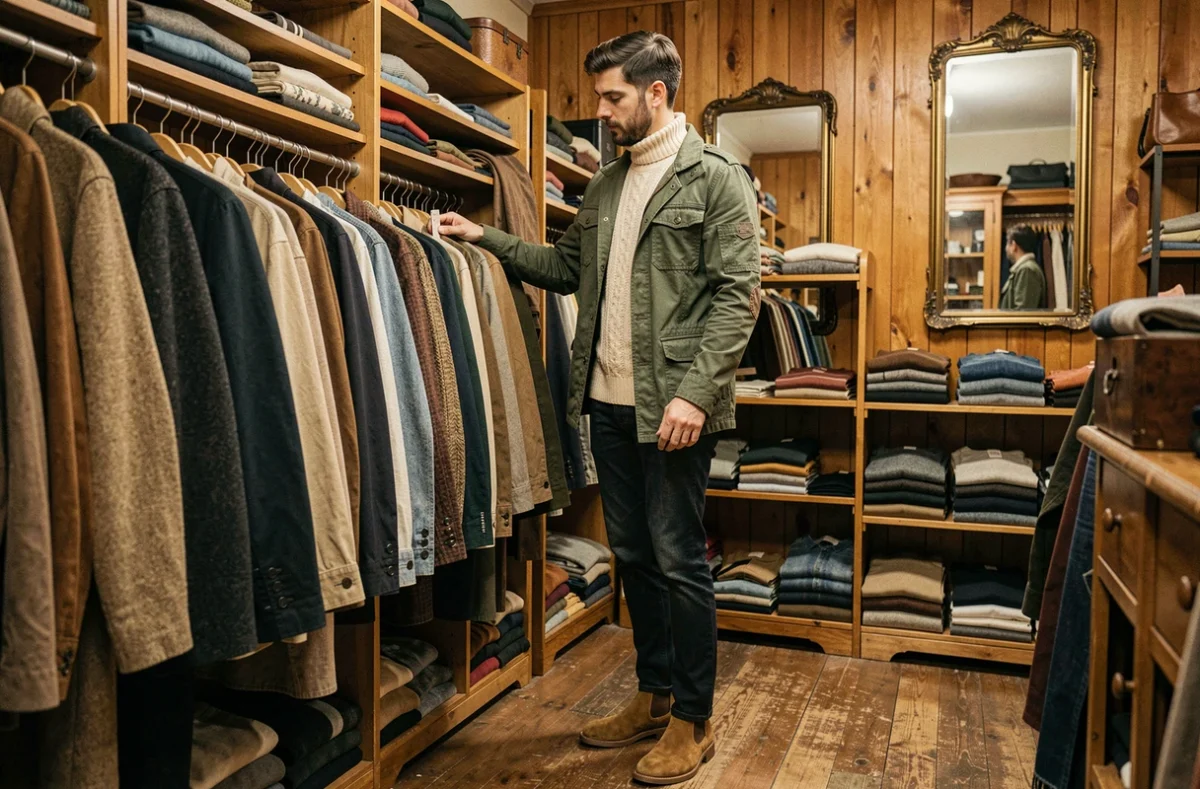
Looking for a cut or style that is no longer available new lets you build a wardrobe no one else has. A 1990s blazer with strong shoulders, raw denim jeans from a brand that has since changed its cut, or a dress in a fabric that is no longer made: these pieces create a visual signature that is impossible to replicate on the high street.
Another measurable benefit is longevity. A vintage garment that has lasted ten or twenty years without losing its shape has already proved its durability. You can check the seams, fabric weight and colorfastness before buying—something you cannot do with a new piece.
Care and repairs: extending a garment’s life as a style choice
European regulations now govern the destruction of unsold textiles, prompting brands to rethink the durability of their products. This regulatory shift confirms a broader change: keeping clothes for longer is becoming as much a fashion statement as an economic choice.
Having a piece altered by a tailor costs a fraction of the price of a new garment. Shortening trousers, taking in a jacket or replacing a zipper can turn a piece that no longer fits into one that fits just right. A garment tailored to your body shape can completely transform the look of an outfit.
Repairing rather than replacing also helps create a more cohesive style. A wardrobe built over several seasons, with well-cared-for and tailored pieces, feels more personal than replacing everything each year.
Colors and combinations: building a personal palette
2026 trends spotlight bold colors—orange, olive green, sky blue and pink. Wearing all these shades at once can dilute your style rather than define it.
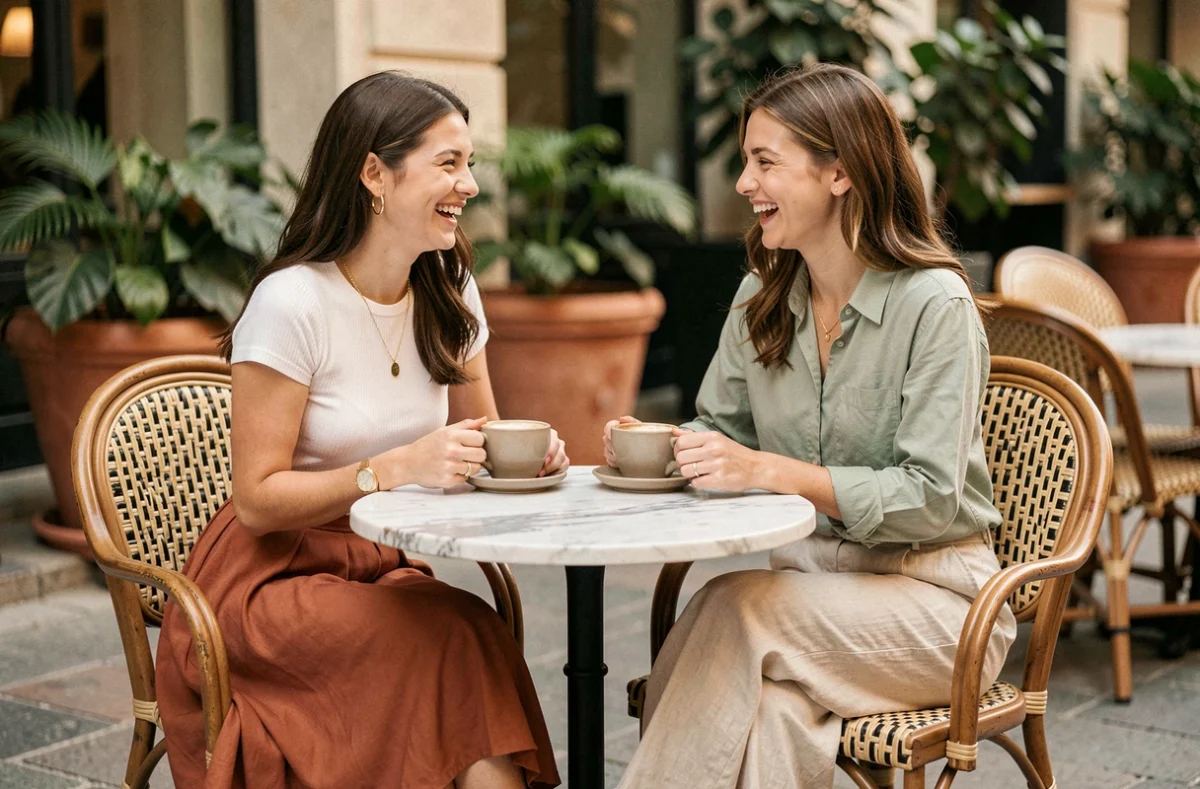
A more effective approach is to identify three or four colors that work together and complement your complexion. A wardrobe built around three compatible colors creates more outfit combinations. Black, navy or gray can serve as neutral foundations. One or two accent colors—a burgundy, sage green or terracotta—are enough to make the look your own.
- Monochrome, tone-on-tone looks create a longer, more cohesive silhouette with little effort.
- Pairing one bold-colored piece with neutral basics avoids a costume-like effect while incorporating a seasonal trend.
- Prints (polka dots, stripes, geometric patterns) work best when the rest of the outfit is understated, to avoid visual overload.
Everyday personal style is not about how many pieces you buy or following every trend. A garment’s actual lifespan, how well it works with the rest of your wardrobe and its ability to be worn in different settings remain the most reliable criteria for building a wardrobe that truly expresses who you are.