The French textile market is going through a period of transition. The volume of second-hand textiles and footwear increased in 2025 compared with 2024, according to Refashion. Since April 2025, the Repair Bonus has also covered household linens and lingerie, in addition to clothing and footwear.
And since October 1, 2025, brands have been able to voluntarily display an environmental impact score calculated using the public Ecobalyse tool. In this context, building an elegant, confident everyday style no longer means buying only new clothes.
Clothing alterations and textile repairs: the foundation of a confident style on a budget
Overly long trousers, a jacket with ill-fitting shoulders, a torn lining: these minor flaws often prompt people to replace an entire garment. Alterations are still the most cost-effective way to turn an average piece into one that fits just right.
The Textile Repair Bonus helps lower the cost of repairs at a Refashion-certified repair shop. The discount is applied directly, with no upfront payment. Taking up a hem, adjusting a waist, replacing a zipper: these repairs extend a garment’s lifespan and, above all, improve how it drapes on the body.
Specialist platforms list partner alteration shops, seamstresses and shoe repair shops. For example, https://mamzelleh.com offers fashion selections designed for a sustainable wardrobe. Having a second-hand blazer altered to fit the shoulders can often produce a better result than buying a new blazer in a standard size.

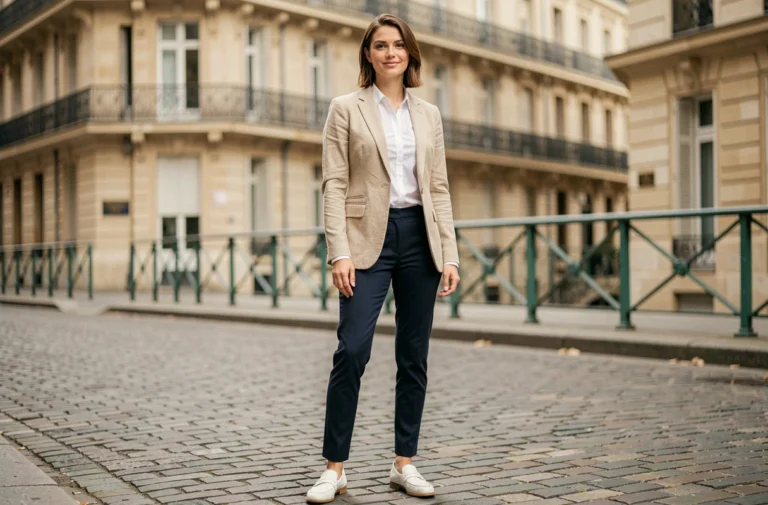
The right fit changes the way an entire outfit looks. Jeans hemmed to the exact length for the right pair of shoes create a more polished look than an entirely new outfit that fits poorly. Fit matters more than whether a garment is new.
Second-hand finds and a personal wardrobe: putting together a cohesive look without buying new
The growth of the second-hand market opens up a wealth of pieces no longer available in new collections. Thrift stores, consignment shops and resale platforms offer cuts, fabrics and colors that are missing from current collections.
Building a style around second-hand finds calls for a different approach than shopping in a store. The selection is unpredictable, and sizing varies from one brand and era to another. Three habits can help you shop more effectively:
- Check the fabric composition on the label: a garment with a high proportion of natural fibers (cotton, wool, linen) is easier to alter and tends to age better than one made from 100% synthetic fibers
- Inspect the seams, buttonholes and fastenings before buying, as these are the first areas to give way, and their condition can reveal how much life the garment has left
- Choose classic cuts (straight-leg trousers, a structured jacket, a simple-collar shirt) that stay in style season after season
A wardrobe made up of carefully chosen pieces is worth more than one filled by default. Second-hand shopping isn’t a compromise: it’s a more discerning way to choose, encouraging you to keep only what truly suits your shape and lifestyle.
The limits of second-hand shopping
Growth in the second-hand market does not automatically mean fewer new purchases. The available data cannot confirm whether buying second-hand replaces buying new or simply adds to it. Keeping this nuance in mind helps avoid treating every second-hand purchase as inherently impact-free.
Accessories and colors: express your style without adding more clothes
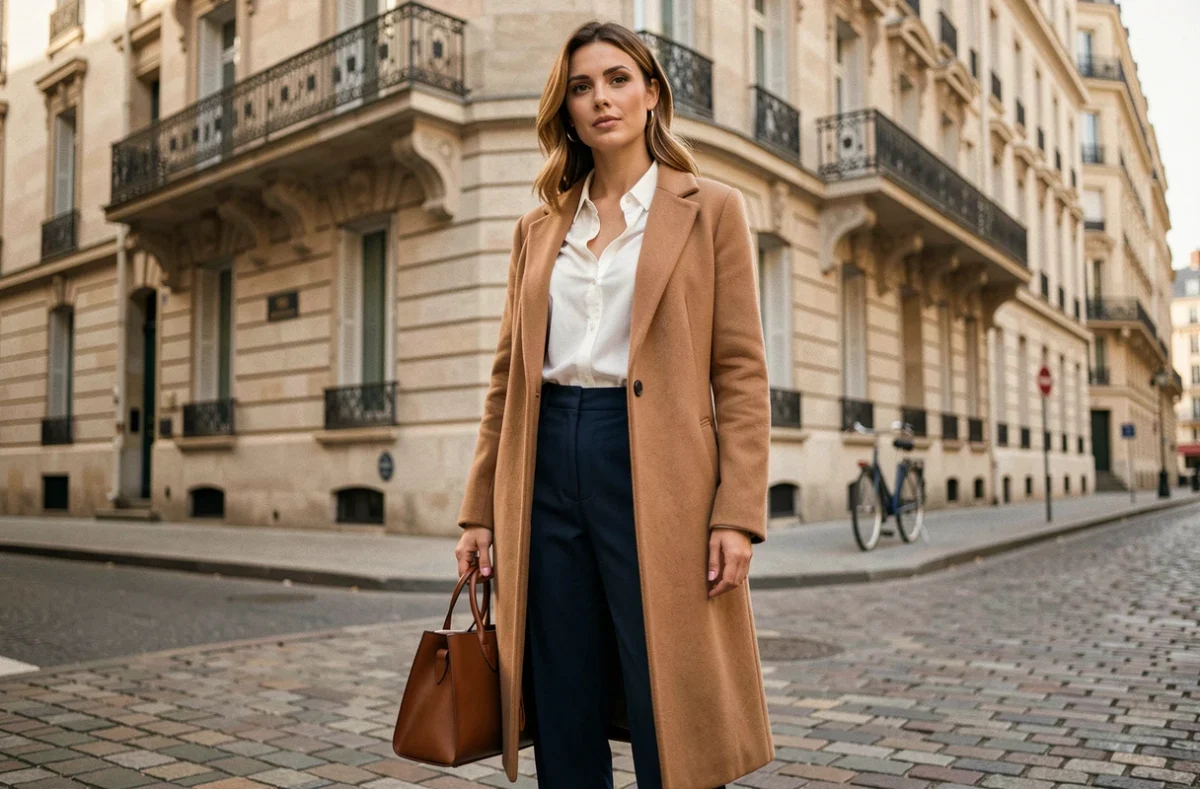
Everyday elegance depends less on the number of pieces you own than on how well they work together. Accessories act as style multipliers: the same outfit (dark trousers, a plain top) takes on a different feel with a structured belt, a printed scarf or geometric earrings.

Three well-chosen accessories can transform a look more than five extra garments. A well-made leather bag, a well-maintained pair of shoes and a watch or understated piece of jewelry are all it takes to give an outfit a distinct feel.
When it comes to color, working with a limited palette makes it easier to put outfits together. The simplest approach is to choose two neutral shades (navy, black, beige, gray) and one or two accent colors (burgundy, forest green, terracotta) that you naturally look good in. A palette of four to five colors is enough to create a fully mix-and-match wardrobe.
Environmental impact labels: look beyond the price tag
Since October 1, 2025, brands that choose to do so can display an environmental impact score calculated using the Ecobalyse tool. The score takes into account factors related to production, transportation and the garment’s end of life.
For anyone building their style piece by piece, this label adds a practical selection criterion. Between two shirts with a similar cut, the one displaying an environmental score may offer an indication of how sustainably it was made.
The label is voluntary: its absence says nothing about a garment’s actual impact. Brands that don’t use it are not necessarily less responsible. It’s a useful additional tool, not an absolute filter. For the most reliable basis for an informed choice, consider the score alongside the fabric composition, country of manufacture and quality of the finishing.
Building an elegant, confident everyday style is more about having a method than a big budget. Altering rather than replacing, choosing second-hand pieces according to clear criteria, limiting your color palette and checking the information available about each garment: season after season, these habits create a wardrobe that reflects the person wearing it.