Most people who take part in sports in France exercise outdoors, outside any club or association. This changes the equation for anyone looking for a pastime that fits their daily life: choosing an activity depends less on trends than on three practical factors—budget, location and how you feel about spending time alone.
Leisure and local constraints: what your location really makes possible
On average, rural municipalities have more sports facilities per resident than large urban areas. But a high density of facilities does not guarantee easy access: a gym or swimming pool may still be a drive of several dozen minutes away.
In urban areas, the concentration of gyms, parks and cultural venues makes it easier to try a variety of leisure activities. But access costs rise with density: more expensive memberships, overcrowded time slots and time-consuming journeys during rush hour.
Before choosing an activity, map out what is available within a twenty-minute radius of your home. Public resources such as municipal libraries remain underused, even outside major cities, despite offering much more than book lending (workshops, coworking spaces and digital access). To explore ideas by activity type, Web Adresses’ leisure section brings together useful themed directories to help you get started.
Leisure budget: choosing between free activities, a small one-off purchase and a subscription
Financial barriers are the easiest to overcome, provided you distinguish between three levels of commitment.
Free or almost-free activities
Walking, running and cycling (if you already own a bike) involve no recurring costs. Reading with a library card also falls into this category. Outdoor spaces remain the most common setting for sports in France, with no registration or membership fees.
- Hiking on marked trails (GR, PR): you only need basic equipment, which is easy to find second-hand
- Guided meditation using free apps or podcasts, which you can do anywhere
- Drawing or writing: all you need to get started with a lasting creative hobby is a notebook and a pencil
A small one-off investment
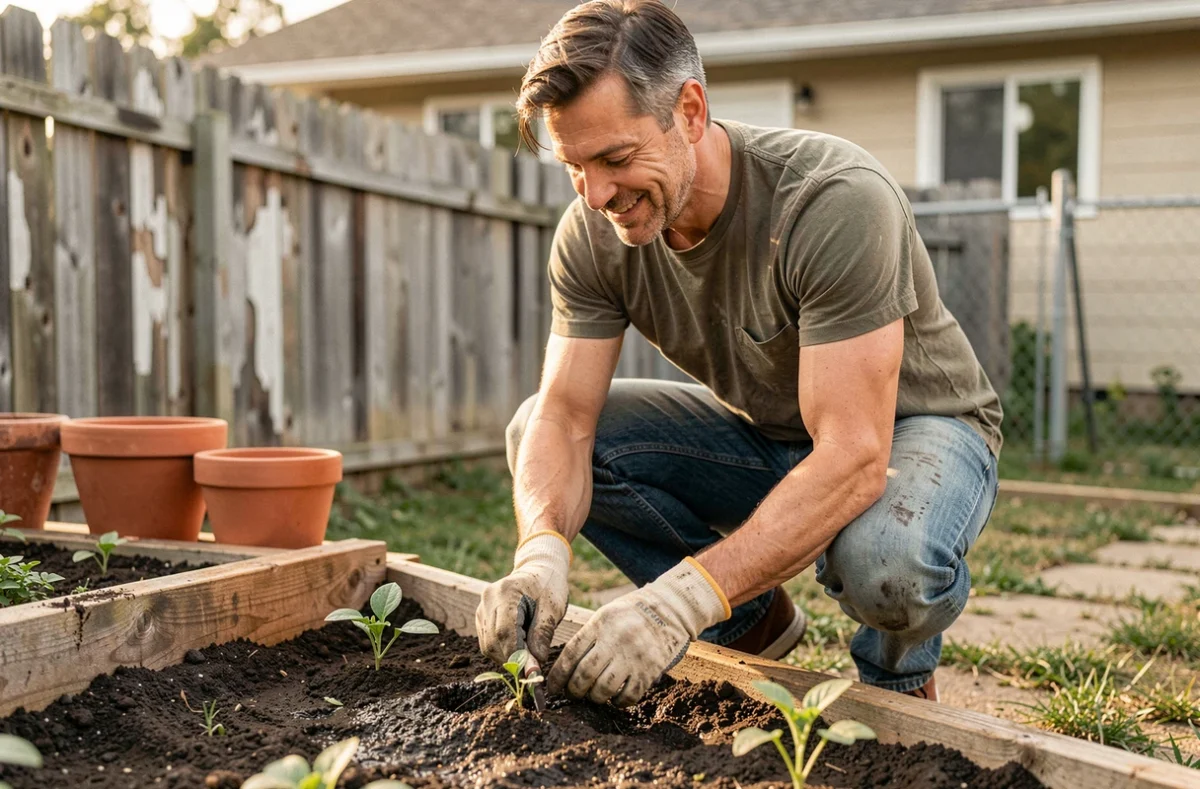
Some hobbies require an initial purchase (gardening tools, a beginner-level musical instrument or a painting kit) but no monthly spending. A second-hand acoustic instrument often costs less than a three-month gym membership. Music, balcony gardening and smartphone photography all fit this model.
A subscription or regular membership fee
Gyms, group classes, clubs and specialist streaming platforms suit people who need external structure to stay consistent. Monthly costs vary widely depending on the area and activity. Check whether your municipality offers reduced rates or schemes such as Pass’Sport.
Solo hobbies or group activities: choose a format that suits your social energy
Your need for solitude or company is not fixed: it fluctuates with the season of life, mental load and work schedule. A good choice of hobby takes this variability into account rather than locking you into a particular profile.
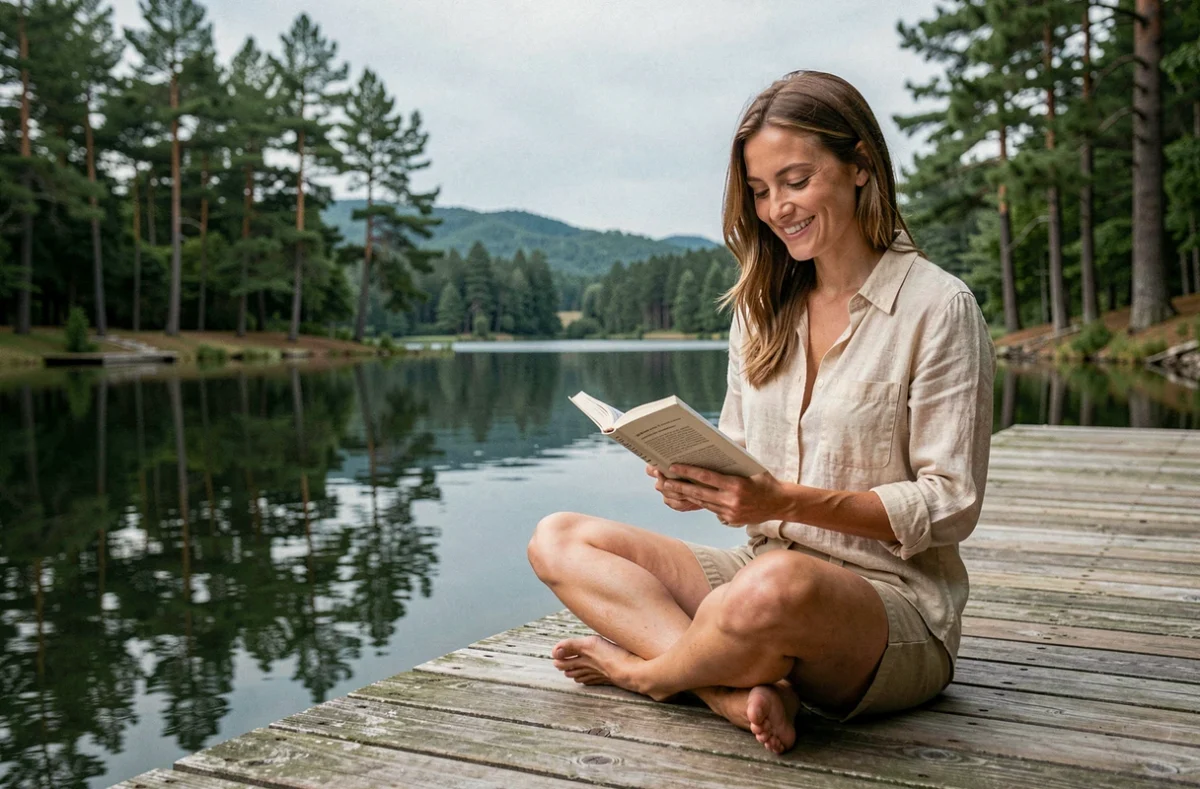
When you need time alone to recharge, introspective activities work best: reading, writing, running, yoga without group classes or gardening. They require neither coordination with others nor fixed schedules.
When you’re craving social connection, group activities provide structure. Team sports, group creative workshops and cultural outings with family or friends all serve this purpose. Sharing an activity with people close to you can help you stick with it over time, sometimes more than having a venue nearby.
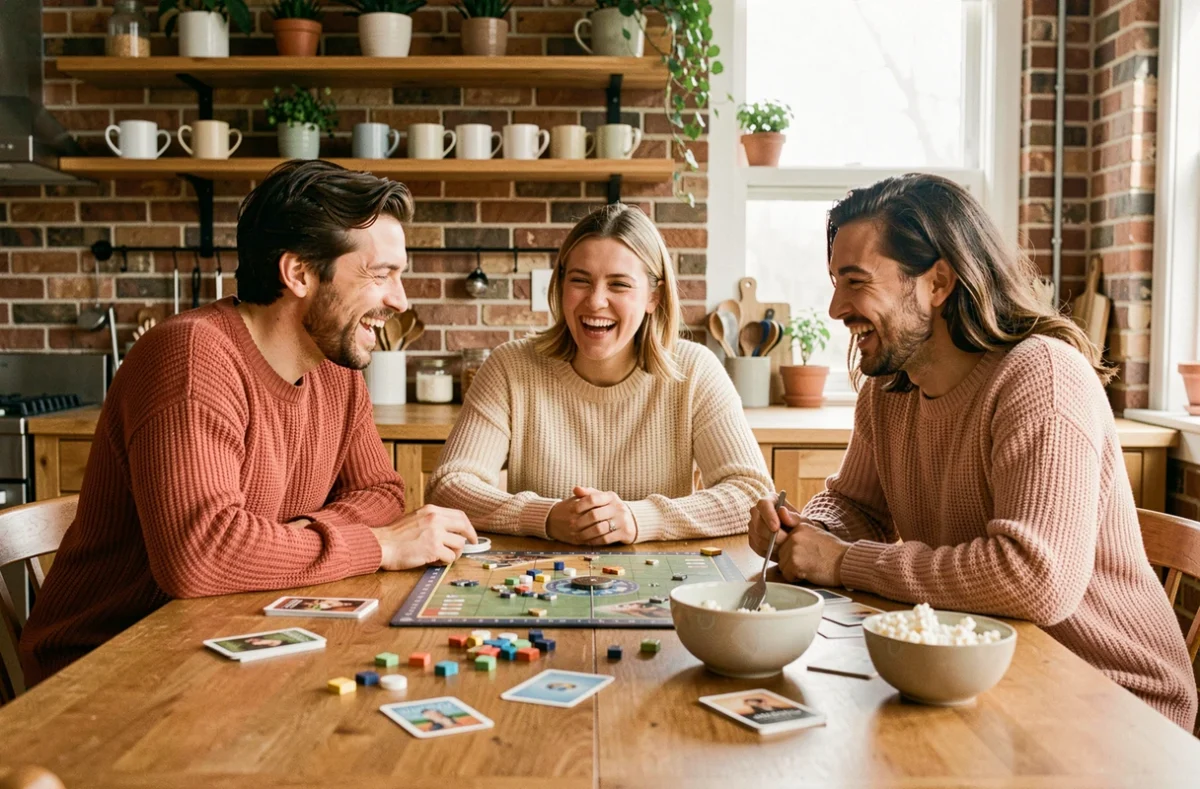
The most reliable approach is to keep one solo hobby and one group activity going at the same time, adjusting how often you do each from week to week. This helps prevent boredom and supports both kinds of recovery: time away from social interaction and the stimulation of connecting with others.
Everyday cultural activities: more than special outings
Lists of leisure activities often focus on outings (cinema, concerts and exhibitions). Young people’s cultural habits cover a much broader range, from daily reading to digital creativity and active music listening.
A regular cultural hobby has a greater effect on stress levels than an occasional outing. Reading for thirty minutes each evening, learning a piece of music each week or keeping a creative journal builds a habit whose benefits accumulate over time.
- Reading (print or digital): accessible anywhere, flexible in duration and free with a library card
- Active music listening (analysing an album or discovering a new genre each week): free and easy to do while travelling
- Learning an instrument: combining online lessons with short daily practice sessions speeds up progress without pressure
- Personal writing (journaling, short stories or blogging): no equipment or cost required, with documented benefits for stress management
Thinking of cultural activities as part of everyday life, rather than a list of events to tick off, changes how leisure time supports mental health.
Choosing a hobby that lasts: criteria that help you stick with it
Three factors predict whether someone will stick with a leisure activity better than initial enthusiasm does.
The first is logistical friction. The longer the preparation and travel time compared with the time spent doing the activity, the greater the risk of giving it up. Choose activities where preparation takes little time compared with the actual time spent doing them.
The second is visible progress. Hobbies that offer tangible feedback (a finished drawing, a faster running time or a growing plant) help maintain motivation. Activities whose benefits remain abstract for months can be hard to stick with.
The third is flexibility around changes in your schedule. A hobby that requires a fixed two-hour slot every week is unlikely to hold up well when unexpected things come up. Activities that can be split into twenty- to forty-minute sessions are easier to fit into everyday life over the long term.
Rather than searching for the perfect activity, try one option for each criterion (free, solo and short) for three weeks. If you’re still doing it after the trial period, it may be worth investing more time or equipment.