Leisure time is defined as the fraction of the day that escapes professional, domestic, and administrative obligations. Since the 1980s, this fraction has gradually increased for the French, leading to the emergence of an increasingly segmented leisure market. Between physical activities, creative practices, and immersive experiences, the choices far exceed the triptych of sports, cinema, and reading.
Immersive leisure and phygital centers: the format that redefines group outings
Hybrid leisure centers, sometimes referred to as phygital centers, combine virtual reality, scripted escape games, next-generation laser tag, and e-sports spaces under one roof. The logic is based on a thorough scripting of the experience: each activity tells a story, imposes a collective challenge, and mixes physical effort with puzzle-solving.
This format particularly appeals to 18-35 year-olds seeking competition and release. Outings such as bachelor parties, team building, or adult birthdays represent a growing share of the clientele for these complexes. The attraction lies in the short duration of each session (often less than an hour) and the possibility of chaining several activities in the same location.
Trampoline parks exemplify this trend well. Brands like Jumpland offer courses combining trampolines, foam pits, and ninja warrior tracks, with slots reserved for adults in the evening. To explore leisure activities to discover on 42 Le Mag, this type of activity serves as a good starting point if the classic outing to the cinema is no longer sufficient.
Creative activities and manual hobbies: beyond mere pastimes
Engaging in a creative hobby is not limited to knitting or painting on canvas. The sector has evolved towards supervised workshops, often collective, ranging from pottery to woodturning, as well as the making of natural cosmetics or artisanal bookbinding.
The appeal of manual activities is based on a documented need for digital disconnection. Several analyses of the leisure sector associate this rise with the search for meaning and mental health, a trend identified among the major market directions for 2026.
Criteria for choosing a suitable creative workshop
- The duration of the session: a two-hour workshop is suitable for a discovery, while a multi-day course allows for real technique acquisition
- The collective or individual format: small group workshops encourage exchange and motivation, while solo practice offers more concentration
- The materials provided: check if the price includes raw materials, tools, and a finished object to take home
The interest in these practices goes beyond the tangible result. The repetitive gesture and the concentration required for manual work produce an effect comparable to meditation, without carrying the label.
Nature and adventure leisure in the forest: what rural areas offer
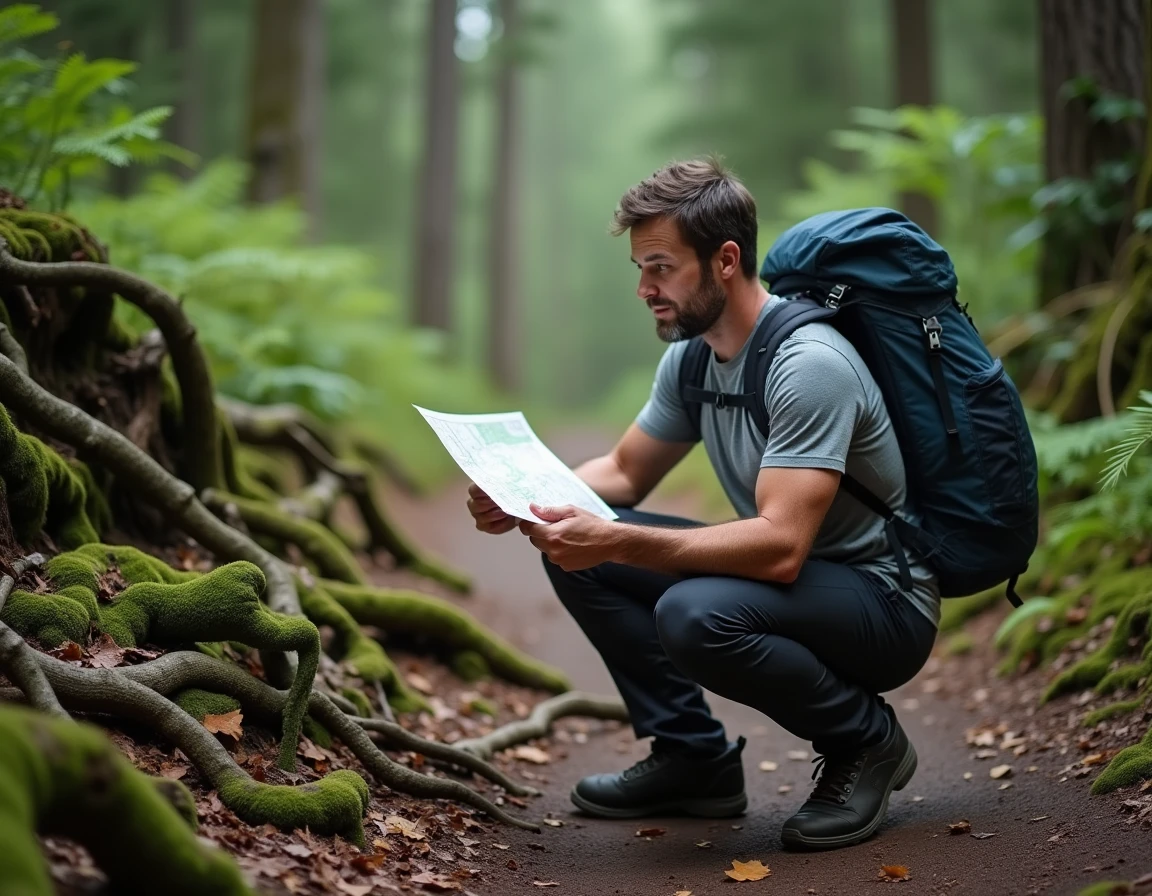
French rural destinations are developing an offer of outdoor leisure activities that goes well beyond simple hiking. Tree climbing, canoeing, timed orienteering courses, and supervised camping: these activities attract both families with children and groups of friends on weekends.
The Pays de Saint-Gilles, for example, structures its tourist offer around this type of leisure with courses adapted to different physical levels. Other areas focus on festivals or local events that incorporate outdoor sports and fun activities.
Why the forest attracts more than urban parks
The forest environment offers a sensory setting that urban green spaces do not replicate. The dense vegetation cover reduces the perceived temperature by several degrees, making it a relevant choice for summer activities. Forest trails also combine uneven terrain that engages the body more than a paved path.
For families, the forest presents a logistical advantage: most leisure bases in forest areas group several activities at the same site, avoiding multiple trips during holidays.
Free leisure in the city: the good deals that change the game
Major French cities, led by Paris, are multiplying free or nearly free initiatives accessible without reservation. Urban beaches, outdoor concerts, ephemeral exhibitions in public spaces, neighborhood artistic trails: the offer has significantly expanded in recent years.
Libraries and media libraries play an underestimated role in this landscape. Beyond lending books, they offer digital workshops, screenings, foreign language conversation clubs, and meetings with authors. Access remains free and without registration in most cases.
- Free guided walks organized by local associations allow for rediscovering a neighborhood from a historical or architectural perspective
- Neighborhood association events (repair cafés, shared gardens, creator markets) create social connections without an entry fee
- Municipal summer activities (outdoor cinema, group sports classes in parks) provide a solid alternative to paid outings
A free leisure activity is not a low-quality leisure activity. Free access broadens participation in cultural and sports practices that, in a private setting, would cost several dozen euros per person.
The choice of leisure depends less on the budget than on clarity about what one is seeking: disconnection, social connection, physical challenge, or cultural discovery. Formats are evolving rapidly, and areas, whether urban or rural, renew their offerings each season. The only constant remains the time one decides to dedicate to it.