
A cat that urinates outside its litter box, a dog that destroys the sofa in your absence, a rabbit that refuses to eat its pellets: most problems encountered by pet owners stem from a poorly identified need. Understanding these needs helps avoid costly veterinary consultations and, above all, ensures a peaceful daily life for both the animal and the household.
Pet mental health: a still underestimated need
We often think about kibble, vaccines, and deworming. Less often about boredom. The Federation of Veterinarians of Europe (FVE) has recommended since its 2023 update to include the prevention of boredom, loneliness, and anxiety disorders in basic care plans. Specifically, this means that environmental enrichment is part of fundamental care, just like nutrition or vaccination.
For an indoor cat, we talk about tall cat trees, rotating toys, and various hiding spots. For a dog, walks that allow time to sniff (not just to walk quickly), food search games, and predictable routines. A parrot will need to manipulate objects and solve mini-problems, or it risks developing feather plucking.
Feedback varies on this point depending on breeds and individuals, but the principle remains the same: a bored animal develops behavioral issues that neither punishment nor medication alone will resolve. When observing destruction, excessive vocalizations, or self-mutilation, the first question to ask concerns the environment and not the animal’s character.
To explore practical sheets by species and better target these needs, you can consult the animals on 4 Pattes d’Amour which detail the specifics of each companion.

Dog and cat nutrition: common daily mistakes
The first reflex when adopting a dog or cat is to choose a brand of kibble from the shelf and fill the bowl. The problem starts there. The ration depends on the target weight of the animal (not its current weight if it is overweight), its actual activity level, and its life stage.
Large breed dogs and food costs
The French SPA reports an increase in abandonments related to the rising cost of living, particularly for large breed dogs whose food and veterinary costs are higher. Adopting a German shepherd or a mastiff without budgeting for food over ten years is like committing blindly.
It is recommended to calculate the monthly food budget before adoption, taking into account the range of kibble suitable for the breed. Large breeds also have specific needs for calcium and phosphorus during growth, which sometimes requires more expensive dedicated foods than standard ranges.
Cats and insufficient hydration
A cat fed exclusively on kibble rarely drinks enough. Cats descend from desert animals that drew water from their prey. A mixed diet (kibble and wet food) or providing a water fountain significantly improves hydration and reduces the risk of urinary problems, which are common in neutered males.
- Ensure that the water is fresh and placed away from the litter box and food bowl, as cats prefer separate water sources.
- Introduce a portion of wet food (canned food, fresh packets) representing at least one meal per day to compensate for the low drinking instinct.
- Observe the color of the urine when cleaning the litter box: very concentrated urine (dark, strong odor) indicates a hydration deficit that needs to be corrected quickly.
Regulations on exotic pets in Europe: what changes for owners
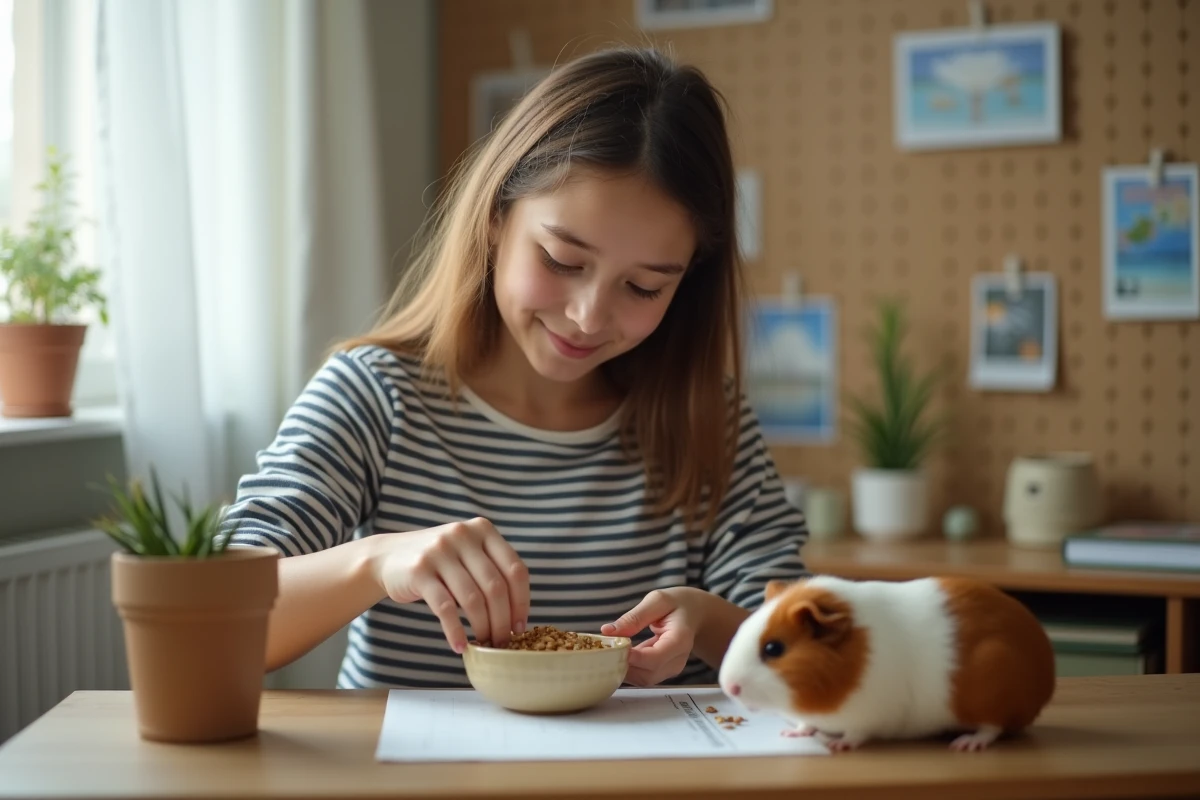
Since 2023, several European countries have tightened regulations on new pets (NAC) by banning or restricting certain exotic species. Belgium and the Netherlands are gradually implementing positive lists that define the species allowed for ownership, rather than lists of prohibited species. A similar project is under discussion in France.
For owners of reptiles, exotic birds, or unconventional small mammals, this means checking the legal status of the species before any acquisition. Buying an animal at a fair or through a classified ad without ensuring the legality of its ownership exposes one to seizure and penalties.
The reasons cited by authorities combine animal welfare (inadequate captivity conditions in most households), biosecurity (risk of invasive species if released), and public health (zoonoses). If you are considering adopting an NAC, check the list of authorized species in your country before any purchase.
Socialization and education: the first weeks decide everything
The impact of the first weeks of a puppy or kitten’s life on its adult behavior is often underestimated. The socialization period, which roughly extends from three to twelve weeks in dogs, constitutes a window during which the animal learns to tolerate the stimuli of its future environment: urban noises, children, other species, car rides.
A puppy that has not been exposed to these situations before three months will have much more difficulty accepting them later. It is not a matter of breed; it is a matter of timing. Serious breeders start this exposure as early as the fourth week, and the new owner must continue it as soon as the animal arrives home.
- Introduce the puppy to people of different ages (children, elderly) in a calm and positive setting during the first weeks.
- Get it used to handling (paws, ears, mouth) to facilitate future veterinary care and grooming.
- Gradually expose it to household noises (vacuum cleaner, washing machine) and urban sounds (traffic, sirens) without forcing contact.
Positive education relies on reinforcing good behaviors, not correcting bad ones. Rewarding calmness, ignoring non-dangerous excitement, redirecting nibbles to a toy: these simple reflexes prevent most problems reported in behavioral consultations.

Caring for a pet goes far beyond the bowl and the bed. Between mental health, species-specific nutrition, rapidly evolving legal frameworks for NAC, and the critical socialization window, each aspect requires specific attention. The common thread of all these topics remains anticipation: an informed owner before adoption spares themselves most of the difficulties that can lead, in the worst cases, to abandonment.